

How to Stay Motivated During Long-Term Competitive Exam Preparation
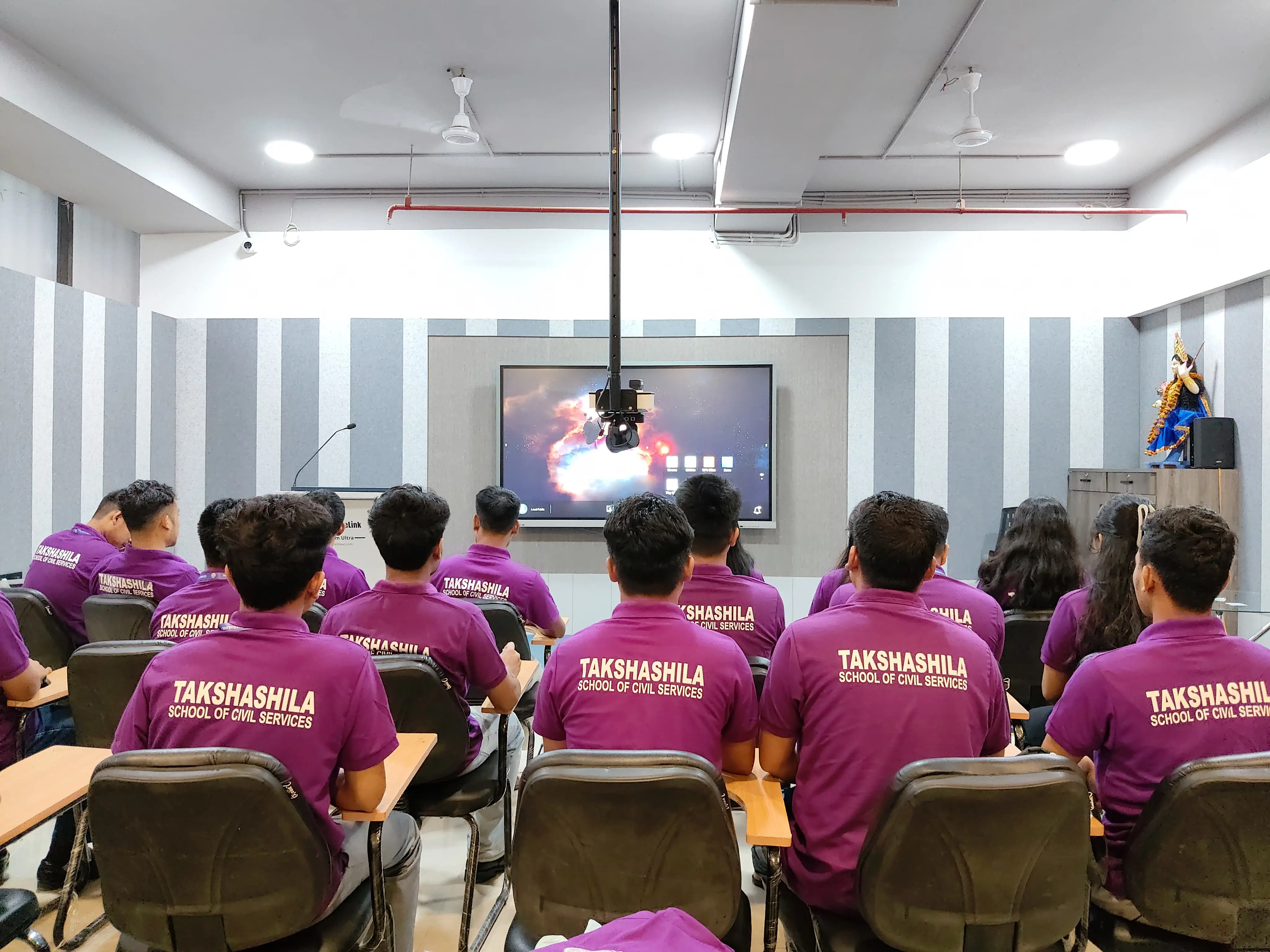
 Takshasheela School of Civil Services

Practical, sustainable ways to keep going through months of preparation, especially when motivation naturally dips
Competitive exam preparation often stretches across a year or more, and no aspirant feels equally motivated on every single day of that journey. The candidates who eventually succeed are rarely the ones who never experience low motivation; they are the ones who have built habits and systems that keep them moving forward even when motivation is low. This guide focuses on practical, sustainable ways to maintain momentum through the long, sometimes discouraging stretches of competitive exam preparation.
1. Accept That Motivation Will Naturally Fluctuate
Many aspirants mistakenly believe that a lack of daily motivation signals something wrong with their commitment or their chosen path. In reality, motivation naturally rises and falls over a long preparation period, influenced by factors as simple as sleep, stress, a difficult topic, or a discouraging mock test score. Expecting constant, unwavering enthusiasm sets an unrealistic standard that very few people can sustain.
Once you accept that low-motivation days are a normal part of any long-term effort, you can shift your focus from chasing motivation itself toward building systems that keep you working productively even on those low-motivation days.
2. Reconnect With Your Underlying Purpose
Behind every aspirant's decision to prepare for a competitive exam is a genuine underlying reason, whether it is a desire for public service, financial stability, family expectations, or personal ambition. Over months of repetitive study, it is easy to lose touch with this original purpose amid the daily grind of syllabus coverage and mock tests.
- Periodically revisit why you began this journey in the first place, and be honest with yourself about what genuinely matters to you in pursuing this goal.
- Write down your core reasons for preparing, and keep this note somewhere visible to revisit during particularly difficult stretches.
- Distinguish between your own genuine motivation and external pressure, since preparation driven entirely by others' expectations tends to be harder to sustain over the long term.
3. Break the Journey Into Small, Achievable Milestones
A distant goal like "clear APSC" or "become an IAS officer" can feel abstract and overwhelming when your daily reality consists of reading dense textbooks and solving practice questions. Breaking the overall goal into smaller, concrete milestones makes progress visible and far more motivating on a day-to-day basis.
- Set specific weekly and monthly targets, such as completing a particular subject or a defined number of previous years' papers, rather than only tracking progress against the final exam date.
- Acknowledge and take satisfaction in completing each milestone, rather than only associating success with the distant final outcome.
- Use milestone completion as a natural checkpoint to reflect on progress and adjust your plan, which reinforces a sense of forward movement even during a long preparation cycle.
4. Build Habits and Routine Rather Than Relying on Willpower
Willpower and motivation are limited, fluctuating resources, but habits and routines can carry you through periods when motivation is genuinely low. A well-established daily study routine reduces the mental effort needed to start studying each day, since the decision has already been made in advance rather than requiring fresh motivation every morning.
- Study at consistent times each day wherever possible, since a fixed routine becomes automatic over time and requires less conscious motivation to initiate.
- Start each study session with a small, easy task to build momentum, rather than beginning with the most difficult or intimidating topic on a low-energy day.
- Focus on simply showing up and starting your study session consistently, even briefly, since starting is often the hardest part, and momentum tends to build naturally once you begin.
5. Track Progress to See How Far You Have Come
During long preparation, it is easy to feel like you are not making meaningful progress, particularly when the syllabus still feels vast and the exam still feels distant. Actively tracking your progress provides concrete evidence that counters this feeling and reinforces continued effort.
- Maintain a simple log of topics completed, mock tests attempted, and improvement in scores over time, so that progress becomes visible rather than assumed.
- Periodically compare your current understanding of a subject to where you started, which often reveals substantial growth that daily study alone does not make obvious.
- Use this tracked progress as evidence during discouraging moments, reminding yourself with concrete data that your effort is genuinely accumulating over time.
6. Build a Supportive Study Community
Preparing entirely in isolation, without any peer interaction, can make an already long and demanding journey feel considerably heavier. A supportive community of fellow aspirants, mentors, or coaching peers can provide encouragement, accountability, and shared perspective during difficult periods.
- Connect with a study group or peer network where you can discuss challenges, share resources, and hold each other accountable to study commitments.
- Seek guidance from mentors, teachers, or previously successful candidates who understand the specific difficulties of the exam you are preparing for.
- Be selective about the community you engage with, favoring genuinely supportive and constructive interactions over spaces that mainly generate comparison-driven anxiety.
7. Handle Setbacks Without Losing Long-Term Perspective
A disappointing mock test score, a failed attempt, or a particularly difficult phase of preparation can significantly dent motivation if not handled with the right perspective. How you respond to setbacks often matters more for long-term success than avoiding them altogether, since setbacks are a near-universal part of extended exam preparation.
- Treat a poor mock test result or a difficult phase as diagnostic information to act on, rather than as a verdict on your overall ability or eventual chances of success.
- Allow yourself a brief period to feel disappointed after a genuine setback, but set a deliberate limit on how long you allow this to affect your momentum before returning to your routine.
- Remind yourself that most successful candidates faced comparable setbacks at some point in their own preparation, and that a single difficult period rarely determines the final outcome.
8. Protect Rest, Health, and Personal Time
Motivation tends to decline sharply when physical and mental health are neglected over an extended period. Aspirants who push through months of preparation without adequate rest, sleep, or personal time often experience declining motivation not because their goal has changed, but because sustained exhaustion naturally erodes enthusiasm and focus.
- Protect consistent sleep and at least some physical activity throughout your preparation, rather than treating these as expendable in the pursuit of maximum study hours.
- Allow yourself scheduled breaks and some personal or social time each week, since complete isolation from life outside preparation tends to accelerate burnout rather than accelerate progress.
- Recognize early signs of burnout, such as persistent fatigue or declining focus, and address them proactively rather than pushing through indefinitely at the cost of long-term motivation.
9. Common Mistakes That Undermine Motivation
- Waiting for motivation before starting to study: This often leads to long periods of inaction, since motivation frequently follows action rather than preceding it.
- Constantly comparing your progress to other aspirants: This tends to generate anxiety and discouragement far more often than it generates useful insight.
- Ignoring small wins along the way: Focusing only on the distant final goal, without acknowledging incremental progress, makes a long preparation period feel far more discouraging than it needs to.
- Neglecting rest in pursuit of maximum hours: Sustained exhaustion is one of the most common and preventable causes of declining motivation over a long preparation period.
- Treating every setback as a sign of failure: Overreacting to individual poor results, rather than treating them as normal, correctable feedback, can significantly damage long-term motivation.
10. Final Thoughts
Long-term competitive exam preparation is as much a test of sustained consistency as it is of knowledge and skill. Motivation will naturally rise and fall throughout this journey, and the most reliable way to succeed is not to chase constant enthusiasm, but to build steady habits, track genuine progress, maintain a supportive community, and protect your health along the way. Aspirants who approach their preparation with this kind of sustainable, system-driven mindset are far better equipped to keep moving forward through the inevitable difficult stretches than those relying on motivation alone.
This guide is intended as a general reference for competitive exam aspirants and applies broadly across exams such as APSC, ADRE, UPSC, SSC, and banking examinations.
Comments (0)
No comments yet. Be the first to comment.