
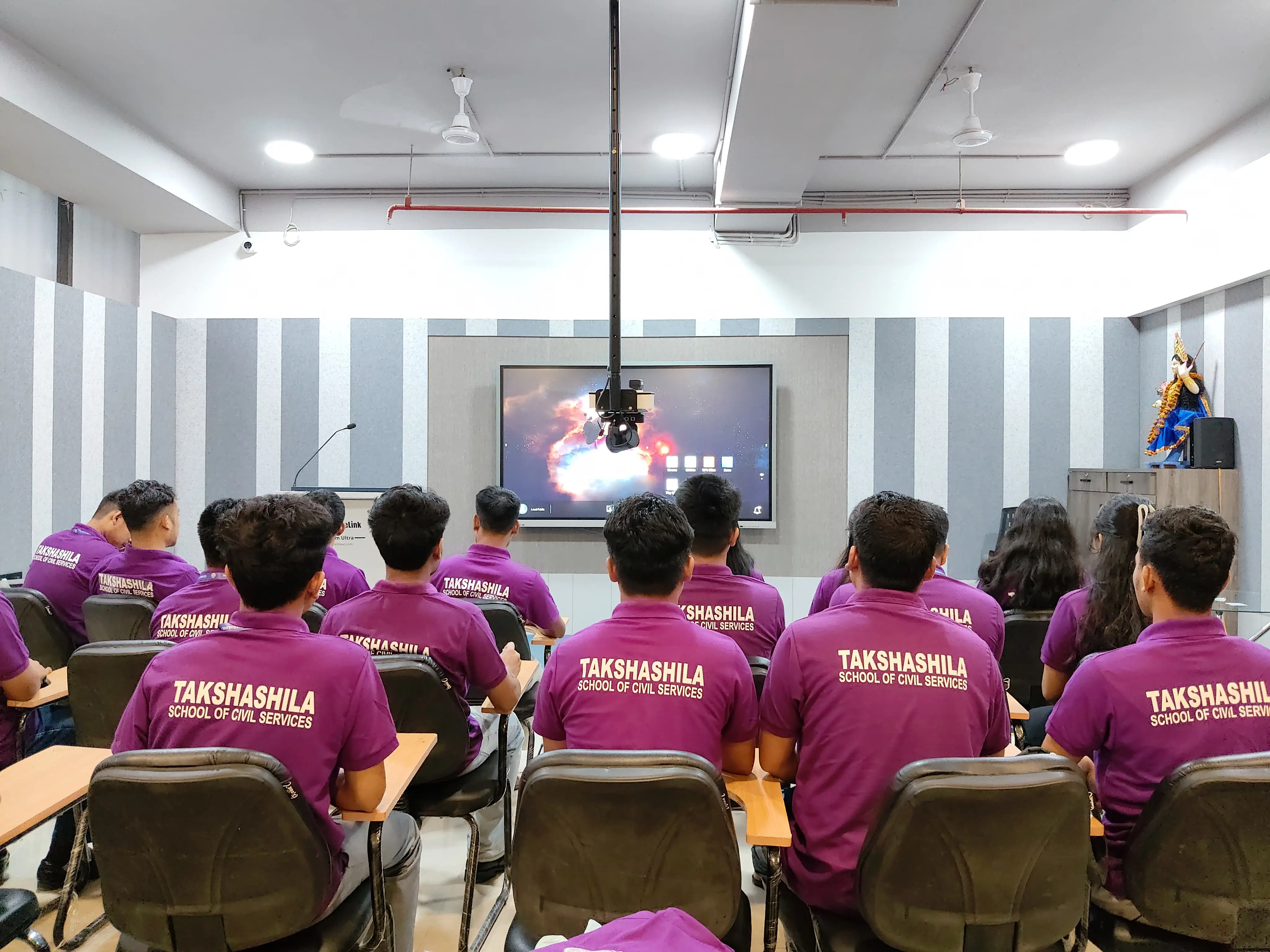

How to Avoid Procrastination During Exam Preparation
 Takshasheela School of Civil Services

We have all been there: staring at a mountain of syllabus, feeling that familiar knot of anxiety, and deciding that reorganizing the bookshelf or watching one more YouTube video is suddenly a top priority. Procrastination during exam preparation is rarely about laziness; it is almost always about feeling overwhelmed or fearing failure. Your brain is simply trying to avoid a stressful task.
Understanding this is the first step. The second step is outsmarting your own brain. If you are trapped in a cycle of delaying your studies and then feeling guilty about it, here is a practical guide to break the loop and get back to work.
1. Shrink the Mountain (Micro-Tasking)
The biggest trigger for procrastination is a vague, massive goal like "Study History today." Your brain looks at that, panics, and chooses a distraction instead.
- The Fix: Break your study sessions into ridiculously small, actionable tasks. Instead of "Study History," write down "Read pages 15 to 20 of the Independence movement chapter."
- Why it works: A micro-task feels achievable. Once you cross off that first tiny goal, you trigger a dopamine release that gives you the momentum to tackle the next one.
2. The 5-Minute Bargain
Often, the hardest part of any study session is the act of sitting down and opening the book. The resistance is highest right before you begin.
- The Fix: Make a deal with yourself. Say, "I will only study this topic for 5 minutes. If I still hate it after 5 minutes, I will stop."
- Why it works: You are lowering the barrier to entry. Usually, once you force yourself through those first five minutes, the friction disappears, and you end up studying for an hour.
3. Engineer Your Environment
Willpower is a finite resource. If your phone is sitting next to your textbook buzzing with notifications, your willpower will eventually lose that battle.
- Digital Detox: Put your phone in another room or hand it to a family member during your study blocks. Use apps that block social media on your laptop.
- Physical Space: Clear your desk of everything except the exact materials you need for the current topic. A cluttered workspace leads to a cluttered, easily distracted mind.
4. Ditch the "Perfect Study Session" Fantasy
Many students fall into the trap of waiting for the "perfect time" to study. They think, "It's 3:15 PM, I will start exactly at 4:00 PM." Then 4:05 PM rolls around, and they decide the day is ruined and try again tomorrow.
- The Fix: Embrace imperfect studying. Thirty minutes of tired, uninspired reading is infinitely better than zero minutes of reading. Start where you are, right now, even if the conditions are not ideal.
5. Use the Pomodoro Technique (with a twist)
The traditional Pomodoro method involves studying for 25 minutes and taking a 5-minute break. This works wonders for maintaining focus without burning out.
- The Twist: During your 5-minute break, do not look at a screen. Stretch, get a glass of water, or walk around the room. Looking at your phone during a short break often turns a 5-minute pause into a 45-minute doomscroll.
Forgive and Move Forward
If you slip up and waste an entire afternoon, do not let the guilt derail your evening. Beating yourself up only creates more of the negative emotions that cause procrastination in the first place. Acknowledge the slip, wipe the slate clean, and focus strictly on winning the next hour. You've got this!
Comments (0)
No comments yet. Be the first to comment.